Introduction
If you have ever typed IPTV Providers in UK into a search engine, you are not alone. More people across the United Kingdom are curious about internet-based television and how it fits into modern viewing habits. Traditional TV schedules are slowly giving way to flexible, on-demand experiences that match busy lifestyles.
This guide is designed to help beginners understand IPTV in a clear, calm, and educational way. We will not promote or recommend any services. Instead, we will explain concepts, options, and considerations so you can make informed decisions on your own. Think of this article as a map, not a sales pitch. Ready to explore how IPTV UK works? Let’s begin.
Table of Contents
| Sr# | Headings |
|---|---|
| 1 | Introduction to IPTV Providers in UK |
| 2 | What Is IPTV? |
| 3 | How IPTV UK Differs From Streaming |
| 4 | Why IPTV Is Gaining Attention in the UK |
| 5 | IPTV Providers in UK: How the System Works |
| 6 | Types of IPTV Content |
| 7 | IPTV vs Traditional TV Services |
| 8 | Devices Commonly Used for IPTV UK |
| 9 | Internet Requirements for IPTV |
| 10 | Things to Consider Before Choosing an IPTV Provider |
| 11 | Understanding Updates and Reliability |
| 12 | Privacy and Responsible Usage |
| 13 | Legal & Responsibility Notice |
| 14 | Common Misunderstandings About IPTV |
| 15 | Final Thoughts on IPTV Providers in UK |
What Is IPTV?
IPTV stands for Internet Protocol Television. In simple terms, it means television content delivered through the internet rather than traditional cable or satellite signals.
Instead of tuning into a fixed broadcast, IPTV allows content to be delivered when requested or streamed continuously through an internet connection. Imagine television arriving like an email instead of a postal letter. That shift explains why IPTV feels more flexible to many viewers.
In the context of IPTV UK, the technology works the same way, but availability, rules, and content depend on regional standards and regulations.
IPTV technology is generally defined as television content delivered over internet protocol networks, a concept explained in detail by public sources such as Wikipedia.
How IPTV UK Differs From Streaming
Many people ask, “Is IPTV just streaming?” Not exactly.
Streaming platforms usually offer libraries of shows and movies you choose from. IPTV, on the other hand, often includes live television channels alongside on-demand content. Think of streaming as a digital video library, while IPTV is closer to a full TV experience delivered online.
This difference explains why people researching IPTV providers often compare them with traditional television rather than entertainment apps alone.
Why IPTV Is Gaining Attention in the UK
Why are so many people searching for IPTV Providers in UK lately? A few clear reasons stand out.
First, viewing habits have changed. People want to watch content on their own schedules. Second, devices have evolved. Smart TVs, tablets, and phones make internet-based TV more practical than ever. Third, broadband coverage in the UK has improved, making stable streaming more accessible.
It is a bit like switching from printed maps to GPS. Once people experience flexibility, it is hard to go back.
IPTV Providers in UK: How the System Works
When discussing IPTV Providers in UK, it helps to understand the structure rather than focusing on individual names.
Providers typically manage servers that deliver television content over the internet. Users access this content through compatible apps or software on their devices. The experience can vary based on technology, infrastructure, and how content is organised.
Some focus on live TV, others on on-demand libraries, and some offer a mix. Availability may also differ depending on region, internet quality, and device compatibility.
Types of IPTV Content
Live Television
Live channels streamed in real time, similar to traditional broadcasts.
On-Demand Content
Programs and shows available to watch at any time.
Time-Shifted Media
Previously aired content that can be watched later, offering flexibility for missed programmes.
Understanding these categories helps when reading any IPTV guide UK, as not all services handle content the same way.
IPTV vs Traditional TV Services
Comparing IPTV with traditional TV is not about declaring a winner. Each has strengths.
Traditional TV relies on fixed schedules and dedicated infrastructure. IPTV depends on internet connections and compatible devices. IPTV offers flexibility, while traditional TV often provides simplicity.
It is like choosing between a train timetable and driving your own car. Both get you there, just in different ways.
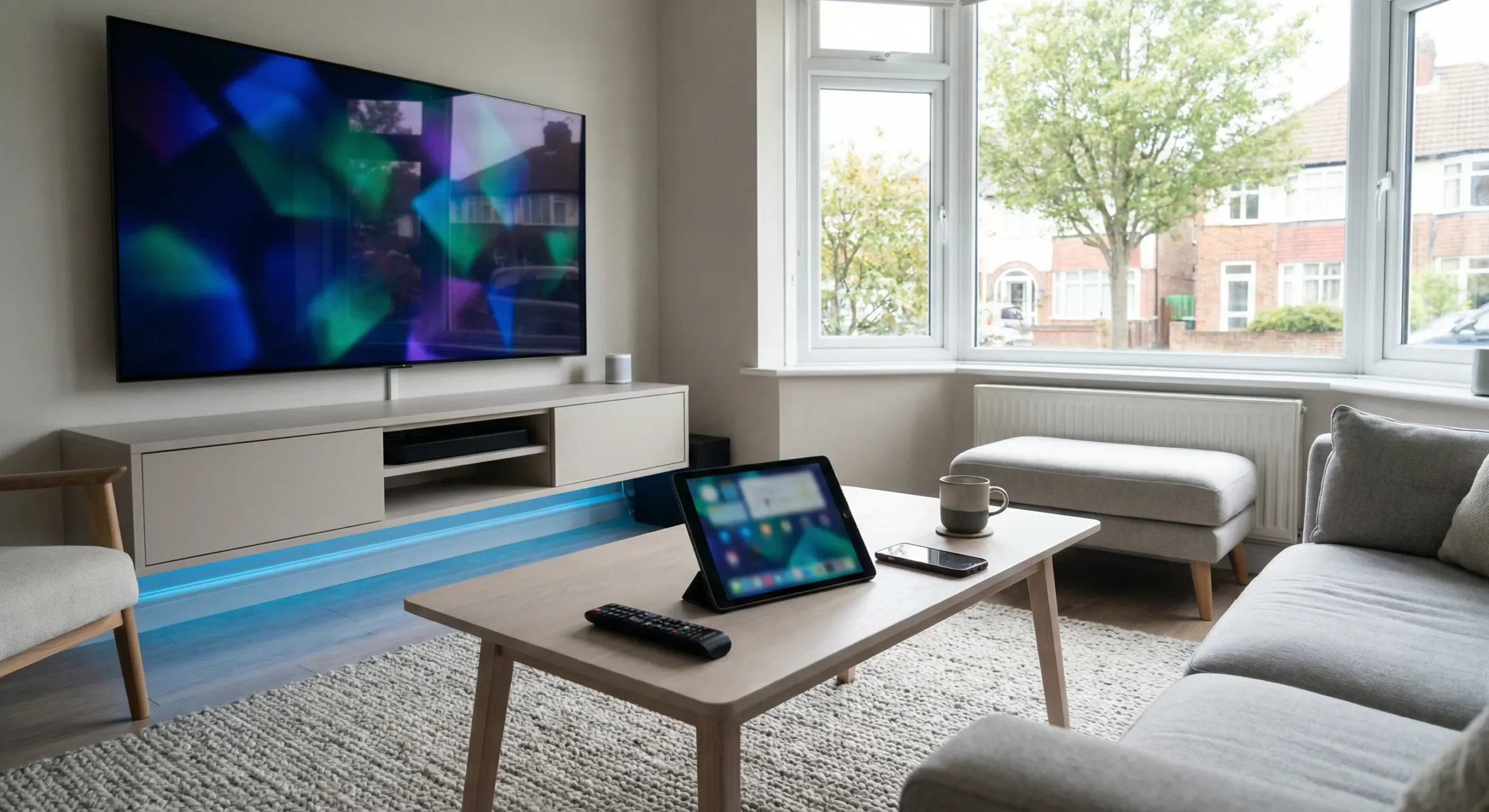
Devices Commonly Used for IPTV UK
One reason IPTV UK appeals to many households is device variety.
Smart TVs
Many modern televisions support IPTV apps directly.
Streaming Devices
External devices can turn regular TVs into IPTV-compatible screens.
Mobile Phones and Tablets
Portable viewing allows content to follow you, not the other way around.
Computers and Laptops
Web-based players or software applications enable desktop viewing.
Device choice affects ease of use and overall experience.
Internet Requirements for IPTV
Since IPTV depends on internet delivery, connection quality matters.
A stable broadband connection helps reduce buffering and interruptions. Wired connections often offer more consistency than wireless ones. While speed matters, stability is just as important.
Before exploring IPTV providers, understanding your home internet setup is a sensible first step.
Things to Consider Before Choosing an IPTV Provider
Choosing among IPTV providers involves careful thought, not impulse.
Compatibility
Does the service work with your devices?
Reliability
Is the service known for consistent performance?
Updates and Maintenance
Regular updates can improve stability and usability.
Support Information
Clear guidance and documentation help users navigate features.
Regional Compliance
Services should align with UK regulations and broadcasting standards.
These points appear in almost every reliable IPTV guide UK for good reason.
Understanding Updates and Reliability
IPTV systems are software-driven. That means updates matter.
Updates may improve performance, security, or compatibility. A provider that maintains its platform responsibly tends to deliver a smoother experience.
Reliability is not just about uptime. It also includes how quickly issues are addressed and how transparently changes are communicated.
Privacy and Responsible Usage
Internet-based services raise questions about privacy. Users should understand how data is handled and what permissions are required.
Responsible usage also means respecting content rights and local rules. Awareness protects both users and the wider digital ecosystem.
Legal & Responsibility Notice
The legality of IPTV services can vary depending on how content is sourced and delivered. In the UK, viewers are responsible for ensuring their usage complies with local laws and regulations.
This article does not endorse or promote any specific IPTV providers. It is intended solely for educational purposes so readers can better understand the topic and make informed decisions independently.
Common Misunderstandings About IPTV
One common myth is that IPTV automatically means low quality. In reality, quality depends on infrastructure and internet stability.
Another misunderstanding is that IPTV replaces all traditional TV. For many people, it simply complements existing viewing options.
Clearing up these misconceptions helps readers approach IPTV with realistic expectations.
Final Thoughts on IPTV Providers in UK
Understanding IPTV Providers in UK does not require technical expertise, just clear information. IPTV UK reflects how television continues to evolve alongside internet technology.
By learning how IPTV works, what devices are used, and what factors matter most, you are better equipped to explore this space responsibly. This guide aims to be a starting point, encouraging curiosity rather than pushing choices.
For more educational content and beginner-friendly explanations, continue exploring our site and build your knowledge at your own pace.
Frequently Asked Questions
What does IPTV mean in the UK context?
IPTV in the UK refers to television content delivered through internet connections instead of traditional broadcast methods.
Are IPTV providers the same as streaming platforms?
No. IPTV often includes live TV channels, while streaming platforms usually focus on on-demand content.
Do I need special equipment for IPTV UK?
Most IPTV services work on smart TVs, streaming devices, computers, or mobile devices.
Is internet speed important for IPTV?
Yes. A stable and reliable internet connection improves viewing quality and reduces interruptions.
Is this IPTV guide UK recommending any services?
No. This guide is purely informational and does not promote or endorse any IPTV providers.
For general questions, feel free to contact us.